Egypt is one of the world's most captivating travel
destinations — a land where ancient history, crystal-clear seas and legendary Mediterranean
cuisine converge to create an unforgettable experience. Whether you're searching for the
perfect greece vacation package, planning a romantic honeymoon or looking for a private tour
led by local experts, Egypt delivers on every level.
At Antelope Travel, we've been specialising in Egypt travel for over 20 years. Our Athens-based team provides insider knowledge, exclusive access
and completely bespoke itineraries — from the iconic sunsets of Santorini to the hidden coves
of Naxos and the culinary delights of Thessaloniki.
Yes. U.S. citizens can get a 30-day single-entry tourist visa online through Egypt's official e-visa portal (visa2egypt.gov.eg) or on arrival at major airports. Fees are about $25–$30 USD depending on the current schedule, so confirm before you travel. Your passport should be valid for at least six months from arrival. We recommend the e-visa to avoid airport lines.
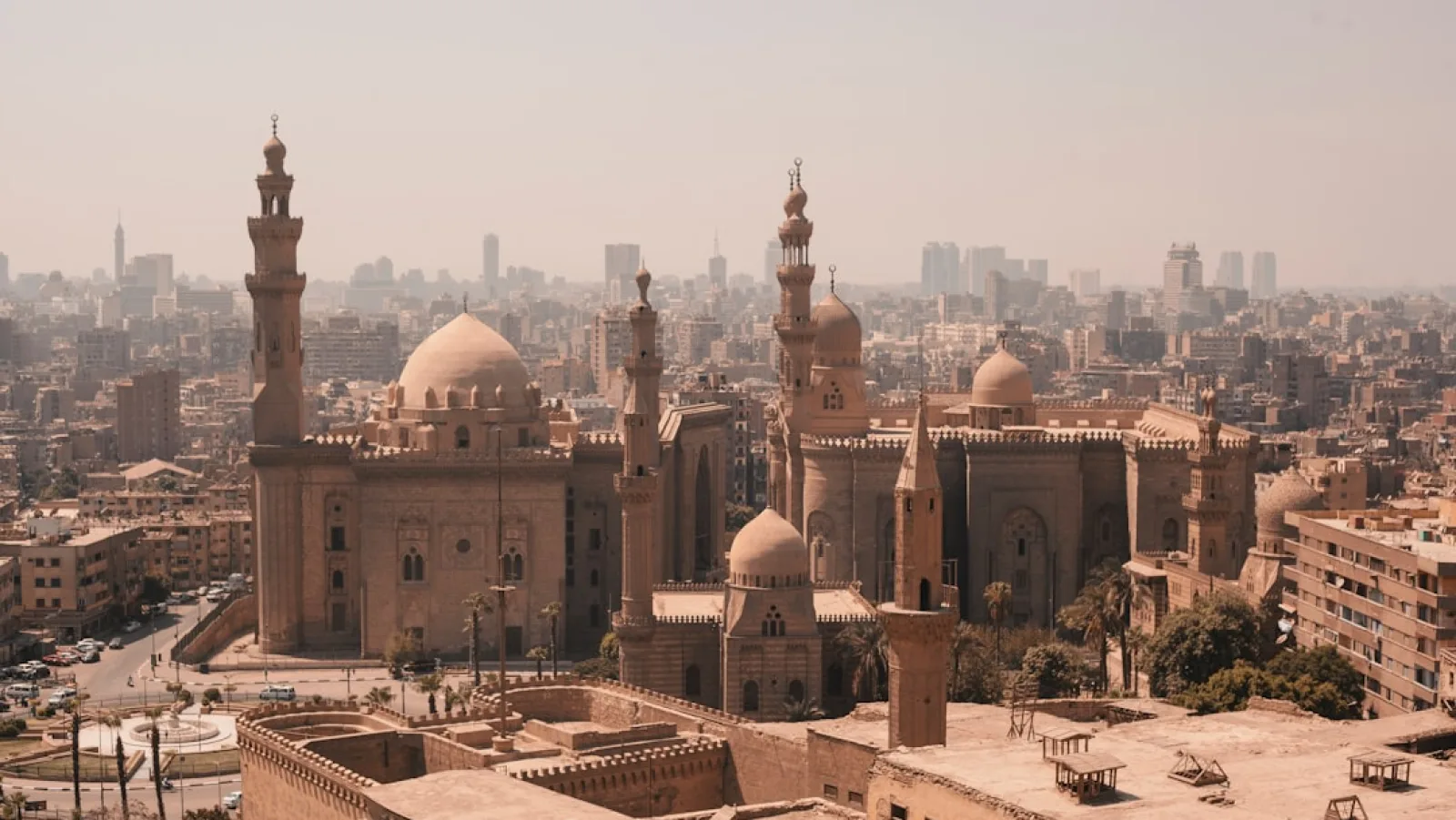
Millions of visitors tour Cairo, Giza, Luxor, Aswan and the Red Sea resorts each year, and main tourist sites have visible security and tourist police. Check the U.S. State Department's current Egypt advisory before booking; it recommends avoiding certain regions such as North Sinai and remote border areas. Traveling with an organized itinerary, licensed guide and private driver adds a further layer of ease.
October to April offers comfortable weather for sightseeing, with December to February the busiest and coolest. From May to September, Luxor and Aswan regularly exceed 40°C (104°F), so temple visits happen at dawn. Red Sea resorts like Hurghada and Sharm El Sheikh are warm and swimmable almost all year.
Eight to ten days covers the essentials: 3 days in Cairo and Giza, 2–3 days in Luxor, and Aswan with Abu Simbel, ideally combined with a Nile cruise. Add 3–4 relaxing days on the Red Sea for a honeymoon or family trip. Domestic flights keep the logistics efficient.
For most first-time visitors, yes. A 3–4 night cruise between Luxor and Aswan lets you visit Karnak, the Valley of the Kings, Edfu and Kom Ombo while your hotel travels with you. Choose a well-rated ship with an Egyptologist guide. If cruising is not your style, you can stay in hotels in Luxor and Aswan and add day trips.
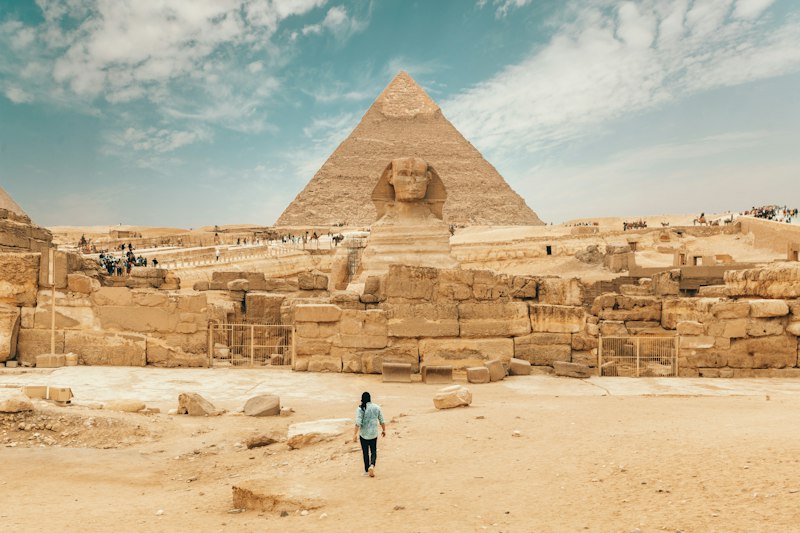
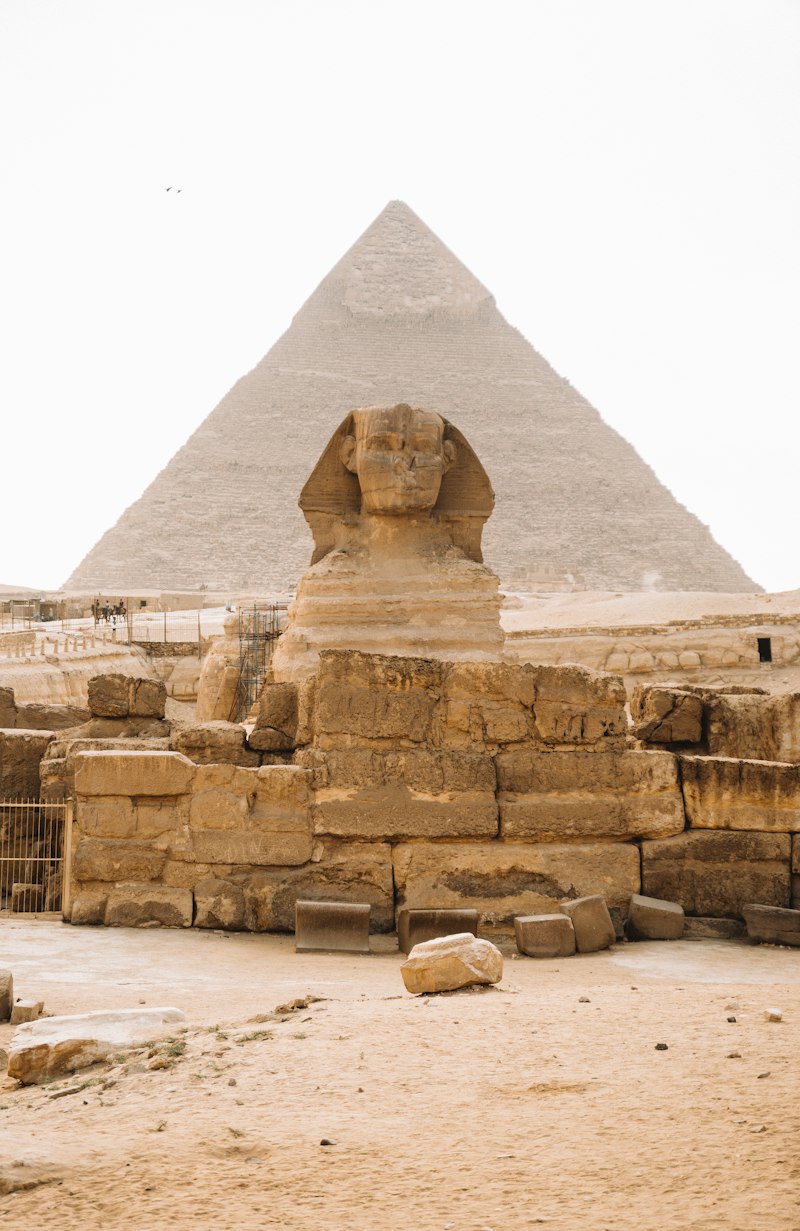
The Grand Egyptian Museum, beside the Giza pyramids, is among the world's largest archaeological museums and houses the Tutankhamun collection. Plan half a day, buy timed tickets in advance, and combine it with the pyramids and Sphinx to save travel time. Visiting with a guide makes the collection far easier to understand.
Tipping is part of daily life. Restaurants: 10–15% if service is not included. Guides, drivers and cruise staff are tipped daily or at the end of the trip, and we give you a recommended guideline. Carry plenty of small bills in Egyptian pounds and small U.S. dollar notes for smaller services.
Drink only bottled or filtered water, and avoid ice and raw salads from street vendors. Hotels and cruise ships serving tourists are used to Western stomachs. Pack rehydration salts, anti-diarrheal medication and your regular prescriptions in original packaging. Check the CDC's Egypt page for routine vaccine recommendations, and protect yourself from strong sun.
Egypt is a Muslim-majority country. Lightweight, loose clothing covering shoulders and knees is comfortable in the heat and respectful, especially in cities, mosques and villages. Swimwear is fine at resort pools and beaches. Always ask before photographing people, and expect military and some religious sites to restrict photos. During Ramadan, daytime dining options are reduced outside tourist hotels.
A licensed Egyptologist guide transforms temples and tombs from ruins into stories, and a private driver removes the stress of transport. Hawkers and offers of camel or horse rides are common at the pyramids; politely decline, or agree the price and duration clearly before you start. Pre-arranged packages mean no negotiating and no surprise fees.