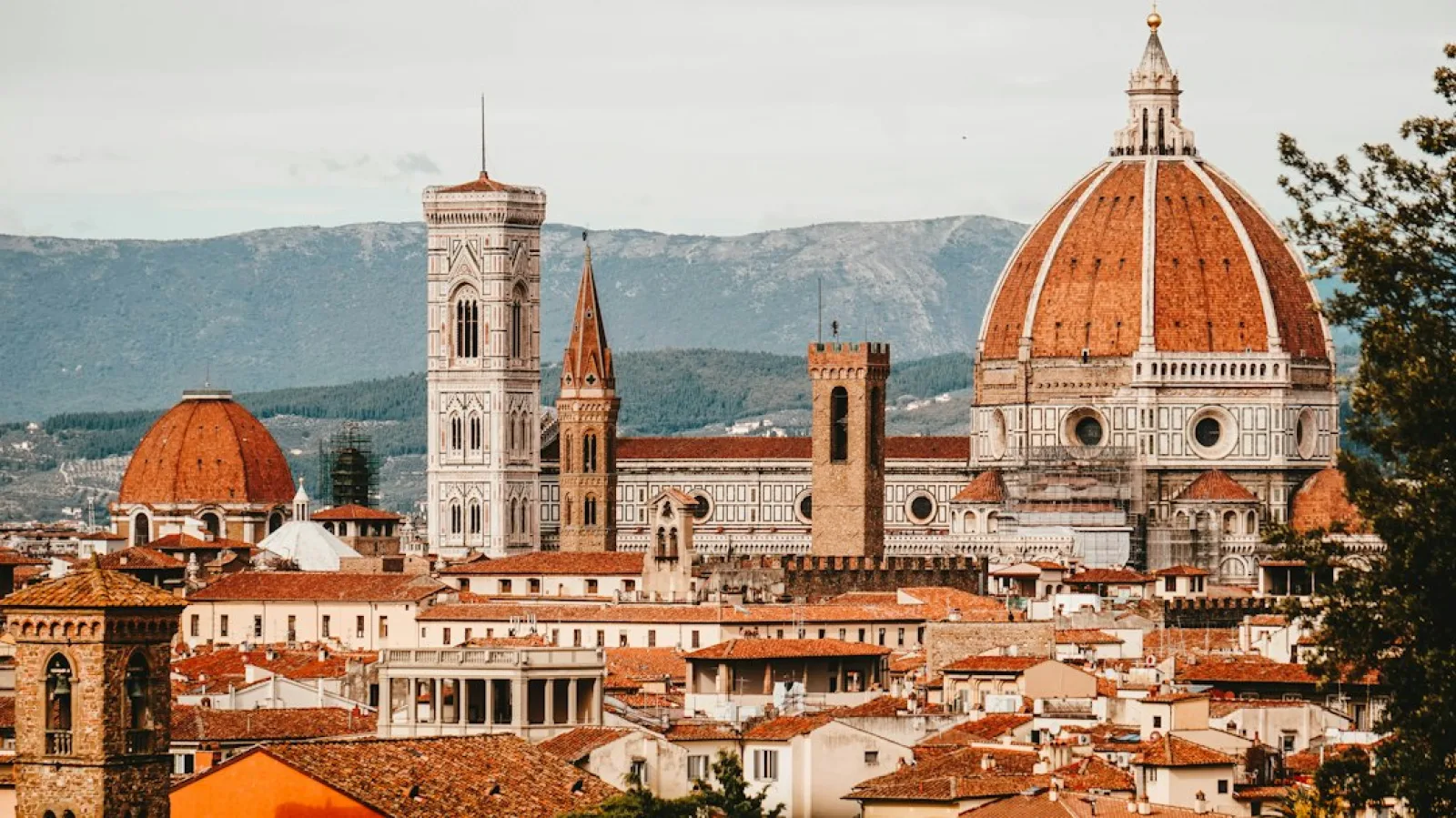
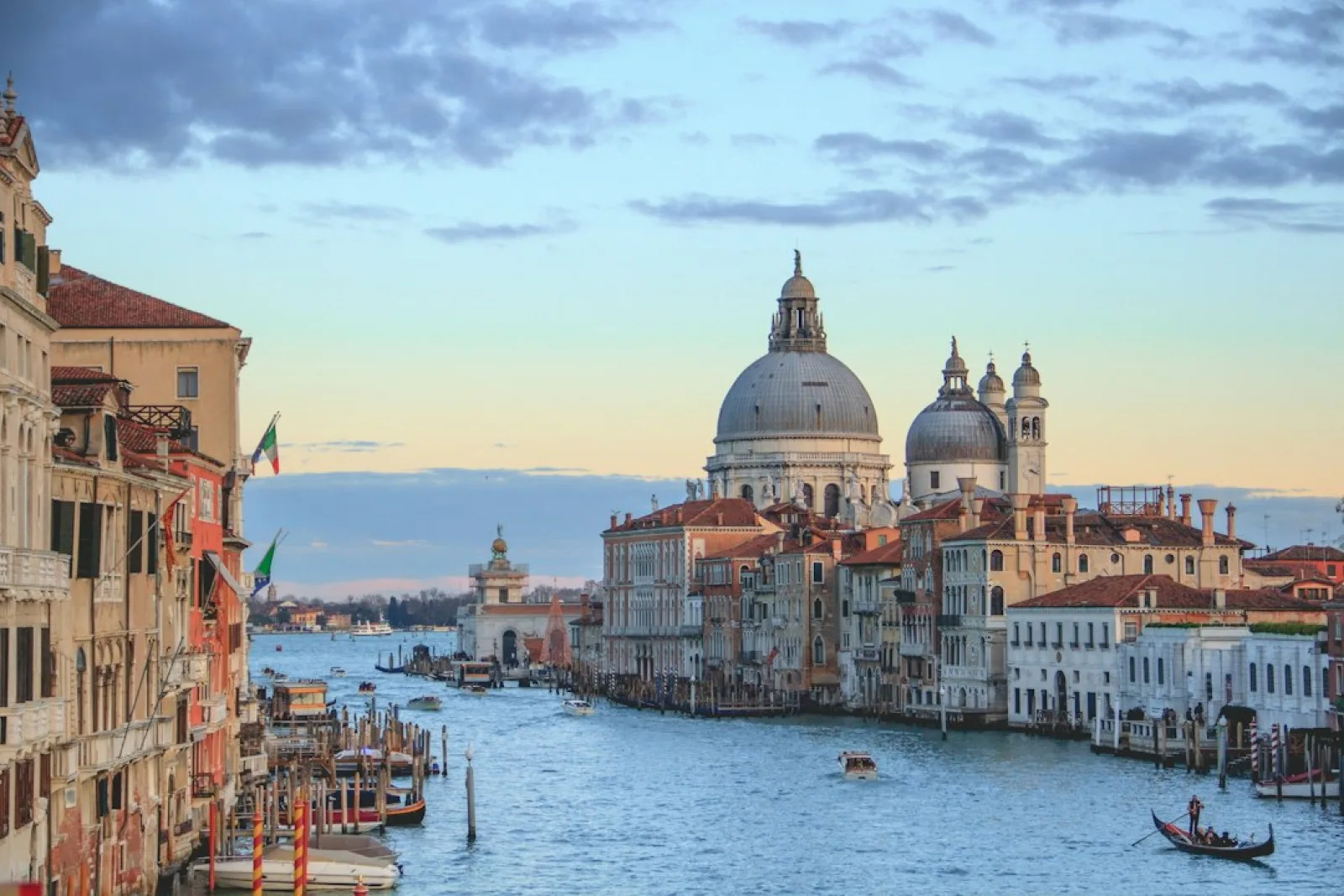
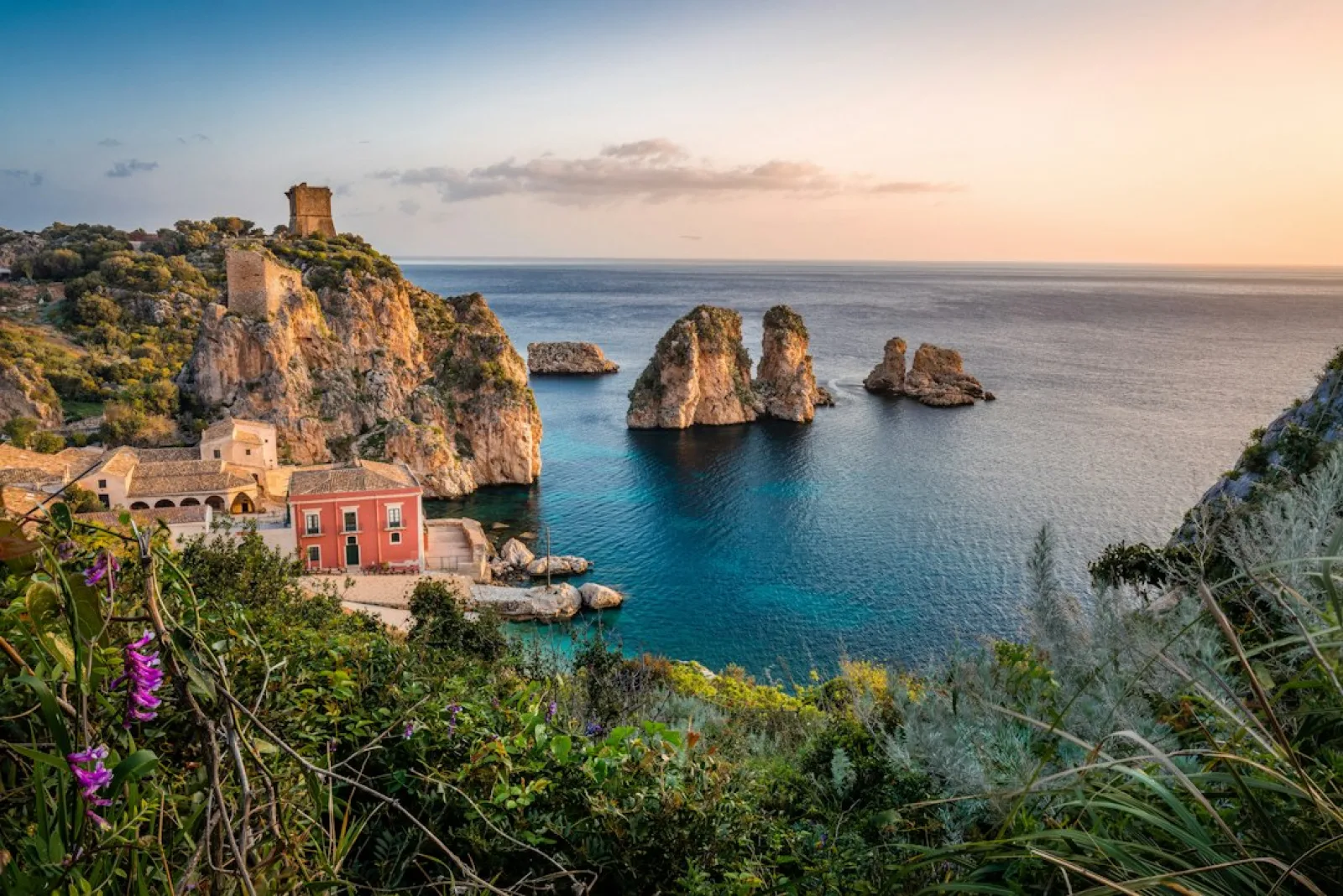
Italy is one of the world's most captivating travel
destinations — a land where ancient history, crystal-clear seas and legendary Mediterranean
cuisine converge to create an unforgettable experience. Whether you're searching for the
perfect greece vacation package, planning a romantic honeymoon or looking for a private tour
led by local experts, Italy delivers on every level.
At Antelope Travel, we've been specialising in Italy travel for over 20 years. Our Athens-based team provides insider knowledge, exclusive access
and completely bespoke itineraries — from the iconic sunsets of Santorini to the hidden coves
of Naxos and the culinary delights of Thessaloniki.
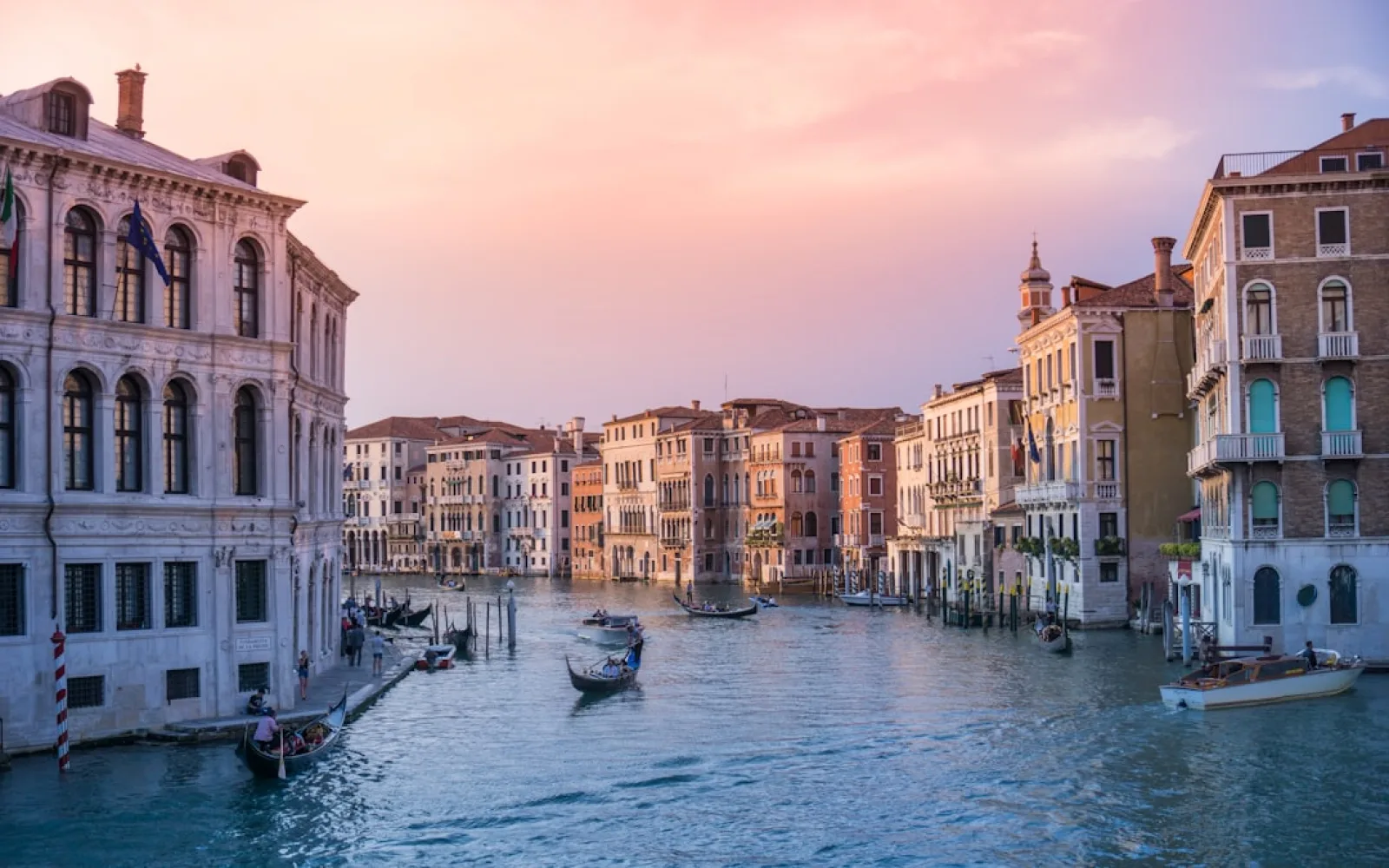
Yes — the Amalfi Coast, Venice and the Tuscan countryside are perennial honeymoon favourites.
April to June and September to October have warm days, long daylight and manageable crowds. July and August are hot and busy, and many local businesses close around Ferragosto (mid-August). The Amalfi Coast and Sicily's beaches shine from May to October, while winter is excellent for museums, Christmas markets and lower prices in cities.
High-speed trains (Frecciarossa and Italo) connect Rome, Florence and Venice quickly and comfortably. For the Amalfi Coast and Sicily, a mix of trains, ferries and private transfers is usually easiest. We can arrange all transfers in your package.
Not for the main cities, where a car is more of a hassle than a help because of traffic and restricted zones (ZTL). A car can be useful in Sicily and the countryside, but on the Amalfi Coast, drivers or ferries are recommended because the roads are narrow and winding.
Citizens of many countries, including the US, UK, Canada and Australia, can visit Italy for short stays without a visa. Italy is in the Schengen Area, so entry rules follow Schengen regulations. Please check the current requirements for your passport before booking, as rules and systems such as ETIAS may change.
Arancini, pasta alla Norma, swordfish, cannoli, cassata, granita with brioche and Marsala or Etna wines.
Yes. Guided excursions run most of the year, depending on volcanic activity and weather, and often include a winery stop.
No visa is required for stays up to 90 days in any 180-day period in the Schengen area. Passports should be valid at least three months after you leave (six months is the safest standard). Non-EU visitors are registered at the border under the EU Entry/Exit System, and the ETIAS online authorization for Americans is planned, so check europa.eu/etias for the latest before you travel.
Ten days is the sweet spot for the classic route: Rome (3 nights), Florence and Tuscany (3 nights) and Venice (2 nights), connected by fast trains. With 12–14 days, add the Amalfi Coast, the Dolomites or Sicily. We suggest limiting hotel changes to avoid spending your holiday packing.
Book in advance: the Colosseum and Roman Forum, Vatican Museums and Sistine Chapel, Florence's Uffizi and Accademia (David), and Milan's The Last Supper, which sells out weeks or months ahead. Timed tickets let you skip the longest lines. Our packages arrange these in advance and pair them with guides when it adds value.
Yes, and the fee is simple to handle. Venice charges day visitors an access fee on selected dates, while guests staying overnight in the city are exempt, though registration may be required. Staying a night or two lets you enjoy the quiet streets after day-trippers leave. Hotels also collect a city tax at check-out.
Tipping is not expected as in the U.S. Many restaurants add a small cover charge (coperto) per person, which is not a tip. Rounding up the bill or leaving a few euros for great service is appreciated. At cafés, locals drink espresso standing at the bar, which is cheaper than sitting at a table. Cards are widely accepted, but carry some cash.
Italians eat lunch around 1 pm and dinner after 8 pm, and good places need reservations. Avoid restaurants with photo menus and staff calling from the street; walk a couple of blocks away from major sights, and choose small menus with seasonal dishes. Cappuccino is traditionally a morning drink. Tell us about allergies and diet needs, and we will pass them on.
Shoulders and knees must be covered at the Vatican and in most churches for men and women. A light scarf or shirt works well in summer. Comfortable shoes are essential: cobblestones and long walking days are standard. Hats and bags are checked at some sites, and large backpacks are often not allowed.
Italy is welcoming and generally very safe. The main risks are pickpockets on crowded buses, metros and trains in Rome, Naples, Milan and at major sights; use a cross-body bag and keep phones secure. Only use official white taxis or ride apps, and agree on prices before private transfers. Occasional transport strikes (scioperi) can disrupt trains, so allow flexibility on travel days.